Tissue Transglutaminase Iga Antibod vs Industrial Transglutaminase for Meat Processing
Compare medical TGase terms with industrial transglutaminase specs for meat processing: dosage, pH, COA, TDS, SDS, QC, and supplier checks.
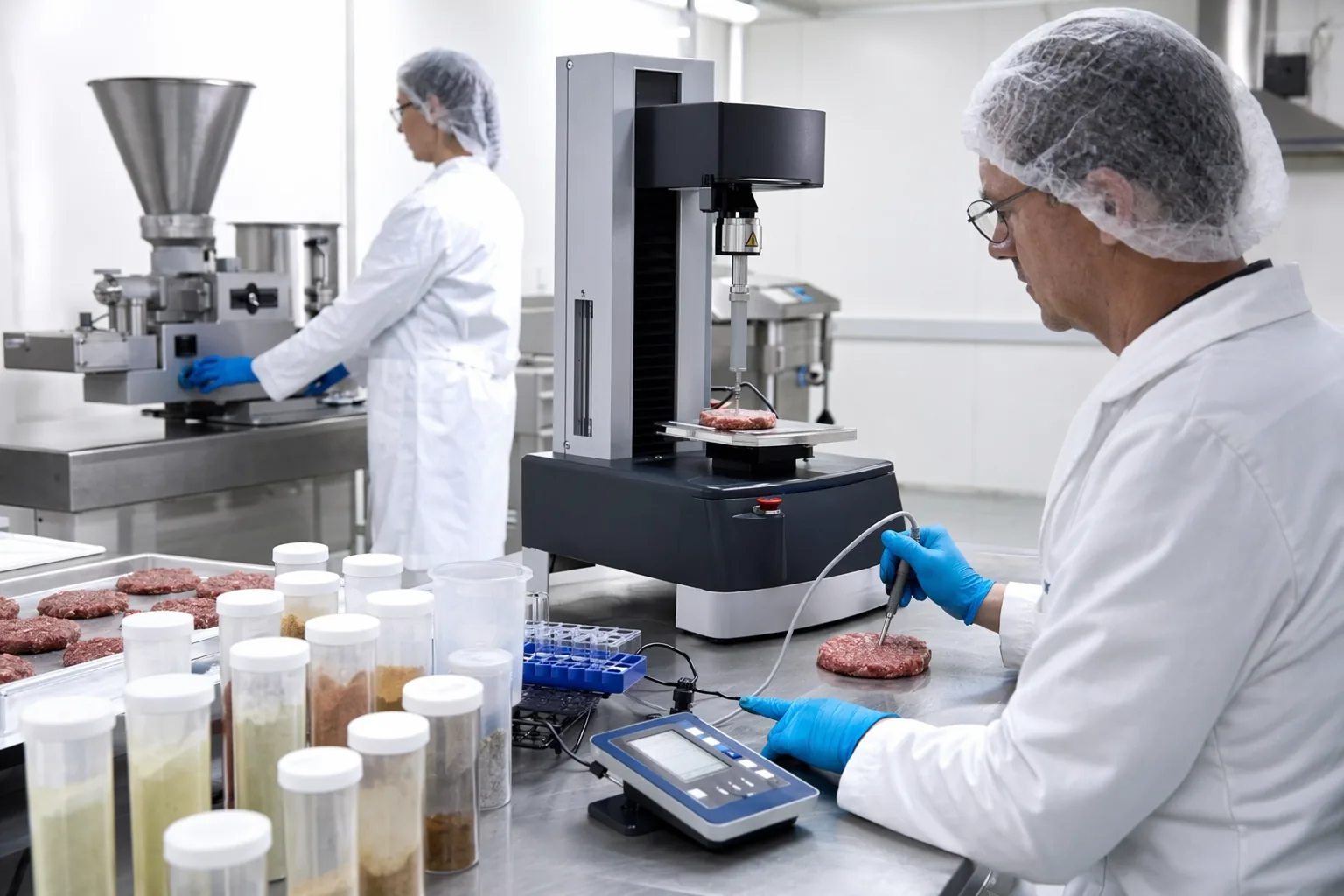
Searching tissue transglutaminase iga antibod often leads to clinical antibody information, but industrial buyers need a different checklist: food-grade transglutaminase enzyme performance, documentation, process fit, and cost-in-use.
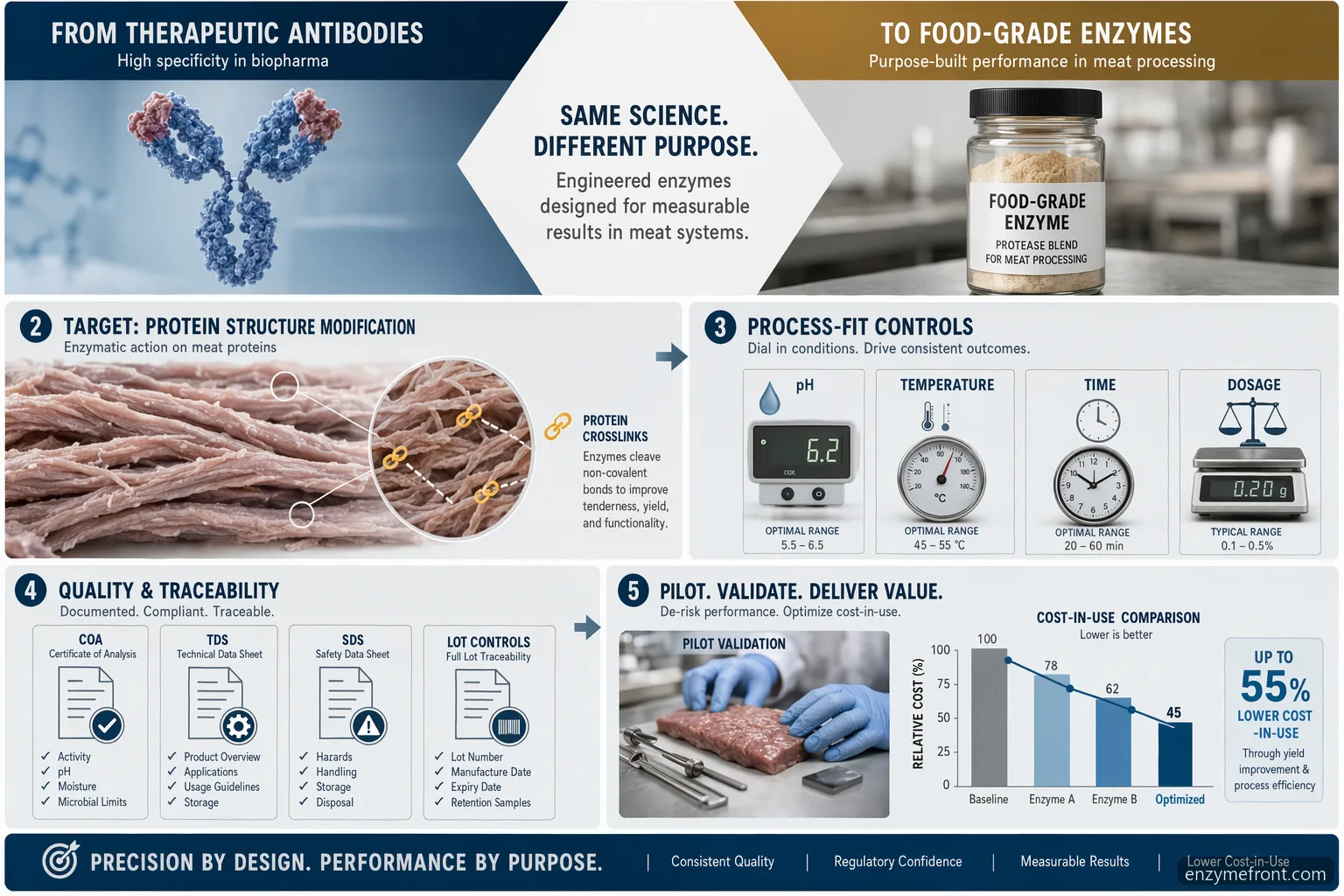
Clarify the Search Term Before Comparing Suppliers
The focus keyword tissue transglutaminase iga antibod is closely related to medical searches such as tissue transglutaminase iga, tissue transglutaminase ab iga, anti transglutaminase antibodies, and tissu transglutaminase iga lev. Those terms typically refer to antibody testing and are not specifications for food enzyme purchasing. In meat processing, the relevant material is usually microbial transglutaminase, a processing aid or ingredient system used to cross-link proteins and improve binding, texture, and slice integrity. The practical comparison is not medical; it is technical and commercial. Buyers should evaluate the enzyme preparation, carrier, activity unit definition, recommended application method, regulatory suitability for the target market, and how the supplier supports scale-up. Treat “transglutaminase meat glue” as an informal market phrase, then translate it into measurable performance and documentation requirements.
Separate clinical antibody terminology from food enzyme specification language. • Confirm the product is intended for meat processing use. • Avoid selecting suppliers based only on activity claims or price per kilogram.
Process Fit: pH, Temperature, Time, and Dosage
Industrial transglutaminase is typically assessed under the actual meat matrix rather than water-only lab conditions. Many TGase food systems are designed to work in mildly acidic to neutral meat batters, often around pH 5.5–7.0, with broader enzyme activity commonly discussed near pH 5–8 depending on formulation. Temperature response is also formulation dependent: activity may be highest at warmer conditions, often around 40–50°C, while processors may use chilled holding to manage food safety and production flow. A practical starting range for commercial preparations in meat is often 0.1–1.0% of formula weight, or a supplier-defined units-per-gram-protein target. Final dosage should be confirmed by trials because salt, phosphate, fat level, protein extraction, particle size, and mixing energy all affect bonding.
Test at plant pH, salt level, and temperature, not only supplier brochure conditions. • Compare short warm activation with longer chilled incubation where appropriate. • Use supplier dosage guidance as a starting point, not a final specification.
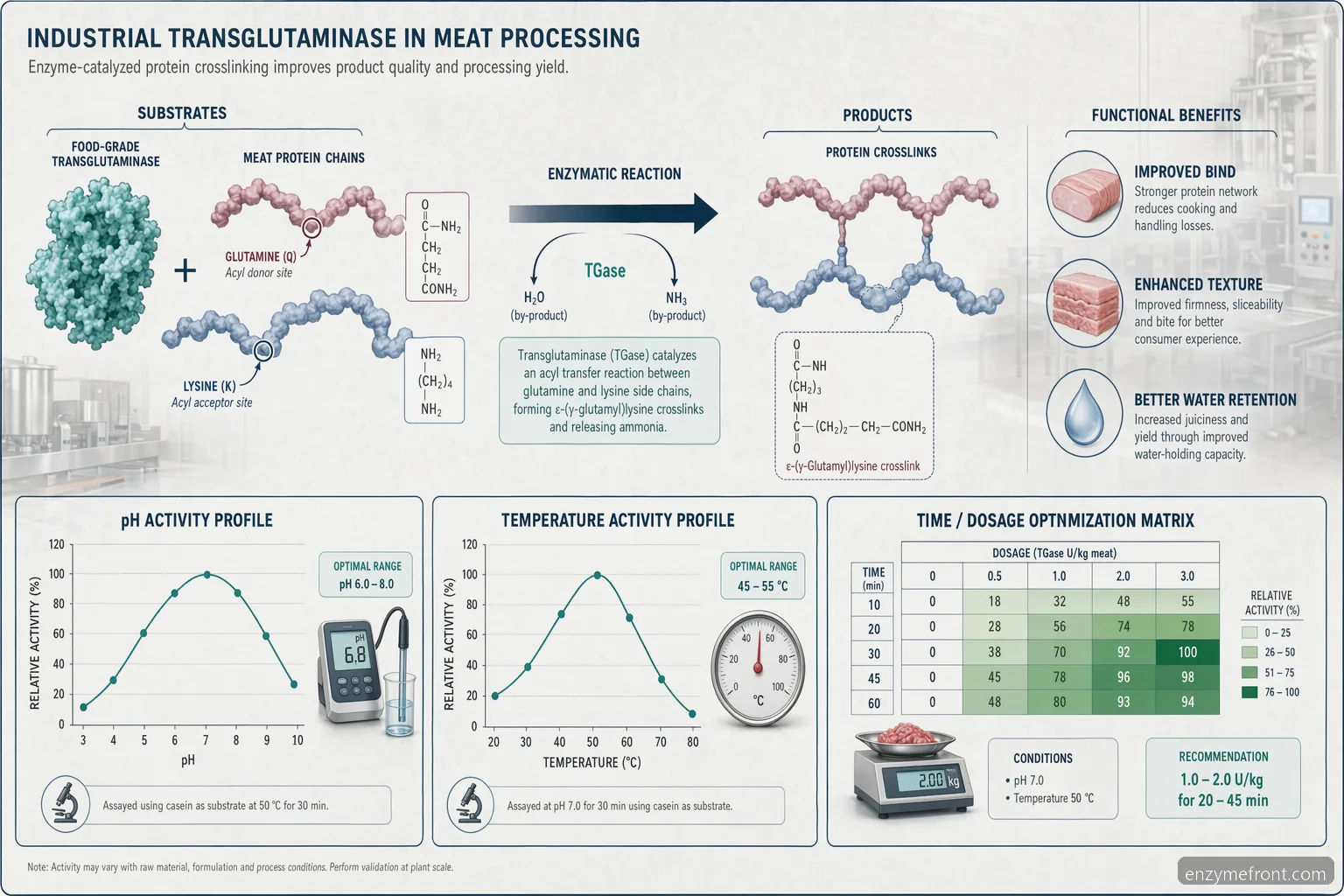
What to Request: COA, TDS, SDS, and Lot Controls
A qualified supplier should provide a current Certificate of Analysis, Technical Data Sheet, and Safety Data Sheet for the exact product offered. The COA should identify lot number, activity or potency method, appearance, microbiological limits where applicable, and release date. The TDS should explain recommended use levels, blending method, pH and temperature guidance, storage conditions, shelf life, and any carriers or functional co-ingredients that affect labeling or formulation. The SDS should support safe handling by production and sanitation teams, especially for powdered enzymes that may require dust control and respiratory exposure precautions. Ask whether activity is reported as enzyme units, formulation potency, or performance grade; these are not always interchangeable. Strong supplier qualification also includes traceability, change notification, complaint handling, and realistic lead-time commitments.
Match COA lot data to incoming QC records. • Review TDS for carrier, storage, and application limits. • Use SDS to define powder handling and PPE procedures. • Request notification for formulation or manufacturing-site changes.
Pilot Validation for Meat Processing Performance
Pilot validation should reproduce the intended production process as closely as possible. Build a small design of experiments comparing two or three transglutaminase dosage levels, one control without enzyme, and the intended hold time and temperature. For formed steaks, restructured portions, emulsified products, or seafood-meat blends, measure cold bind, post-cook bind, sliceability, purge, cook yield, texture profile, and sensory attributes. Record mixer load, vacuum level, protein extraction, product thickness, and thermal schedule because these variables can overshadow enzyme dosage. Include a practical inactivation or cooking assessment when relevant; processors often rely on validated heat treatment and finished-product specifications rather than assuming complete enzyme deactivation. The best supplier comparison is a cost-in-use model based on finished-product performance, not enzyme price alone.
Run a no-enzyme control and at least two dosage points. • Measure yield, bind strength, purge, and slice integrity. • Include sensory review for texture changes or over-binding. • Convert results into cost per finished kilogram.
Commercial Comparison and Supplier Qualification
When comparing transglutaminase suppliers, build a scorecard that balances technical fit, documentation, logistics, and total economics. A lower-priced enzyme may cost more if it requires higher dosage, longer holding time, extra rework, or causes inconsistent texture. Confirm minimum order quantity, packaging size, moisture protection, storage temperature, shelf life after opening, and availability of technical support for plant trials. Ask for sample quantities from commercial-equivalent lots rather than undefined lab samples. Review allergen and ingredient statements for the carrier system, because some preparations may contain proteinaceous or carbohydrate carriers that affect product positioning. Supplier qualification should also address lot-to-lot consistency, traceability, import documentation where relevant, and response time for deviations. The buying decision should be supported by pilot data and quality documentation, not by the phrase meat glue alone.
Compare cost-in-use, not only quoted price. • Confirm sample and commercial lots are equivalent. • Score technical support, documentation quality, and supply reliability. • Check carrier ingredients for labeling and formulation impact.
Technical Buying Checklist
Buyer Questions
No. Tissue transglutaminase IgA, tiss transglutaminase IgA, tissue transglutaminase ab IgA, and anti transglutaminase antibodies are clinical search terms. Meat processors normally evaluate microbial transglutaminase enzyme preparations for protein cross-linking. For procurement, focus on COA, TDS, SDS, activity method, carrier ingredients, process conditions, and pilot performance in the target meat product.
A practical screening range for many commercial transglutaminase preparations is about 0.1–1.0% of formula weight, or the supplier’s recommended units per gram of protein. Start with a control and at least two enzyme levels. Final dosage depends on meat type, protein extraction, salt, phosphate, fat, temperature, hold time, and the required bind strength.
Request the COA for the proposed lot, the TDS for process and storage guidance, and the SDS for safe handling. Also ask for ingredient and allergen statements, shelf-life conditions, activity method, recommended dosage, packaging details, and change-notification expectations. These documents help QA, R&D, purchasing, and production compare suppliers on more than price.
Calculate enzyme cost per finished kilogram, then include yield change, purge reduction, labor, hold time, rework, and any packaging or storage impacts. A cheaper transglutaminase meat glue product may be less economical if dosage is higher or texture is inconsistent. Pilot data should drive the comparison, especially bind strength, sliceability, cook yield, and sensory acceptance.
Transglutaminase (TGase) for Research & Industry
Need Transglutaminase (TGase) for your lab or production process?
ISO 9001 certified · Food-grade & research-grade · Ships to 80+ countries
Frequently Asked Questions
Is tissue transglutaminase IgA the same as food transglutaminase?
No. Tissue transglutaminase IgA, tiss transglutaminase IgA, tissue transglutaminase ab IgA, and anti transglutaminase antibodies are clinical search terms. Meat processors normally evaluate microbial transglutaminase enzyme preparations for protein cross-linking. For procurement, focus on COA, TDS, SDS, activity method, carrier ingredients, process conditions, and pilot performance in the target meat product.
What dosage should a meat processor test first?
A practical screening range for many commercial transglutaminase preparations is about 0.1–1.0% of formula weight, or the supplier’s recommended units per gram of protein. Start with a control and at least two enzyme levels. Final dosage depends on meat type, protein extraction, salt, phosphate, fat, temperature, hold time, and the required bind strength.
Which documents should be required before a plant trial?
Request the COA for the proposed lot, the TDS for process and storage guidance, and the SDS for safe handling. Also ask for ingredient and allergen statements, shelf-life conditions, activity method, recommended dosage, packaging details, and change-notification expectations. These documents help QA, R&D, purchasing, and production compare suppliers on more than price.
How should cost-in-use be calculated for transglutaminase meat glue?
Calculate enzyme cost per finished kilogram, then include yield change, purge reduction, labor, hold time, rework, and any packaging or storage impacts. A cheaper transglutaminase meat glue product may be less economical if dosage is higher or texture is inconsistent. Pilot data should drive the comparison, especially bind strength, sliceability, cook yield, and sensory acceptance.
Ready to source?
Turn This Guide Into a Supplier Brief Request a meat-processing TGase specification review, sample plan, and pilot validation checklist from EnzymeFront.
Contact Us to Contribute